What is Q Fever?
Q Fever is a zoonotic disease caused by Coxiella burnetii, a highly infectious bacterium that poses risks to both animals and humans. Ruminants, particularly cattle, sheep, and goats, serve as the primary reservoirs.


What is Q Fever?
Q Fever is a zoonotic disease caused by Coxiella burnetii, a highly infectious bacterium that poses risks to both animals and humans. Ruminants, particularly cattle, sheep, and goats, serve as the primary reservoirs.
How a farm becomes infected?
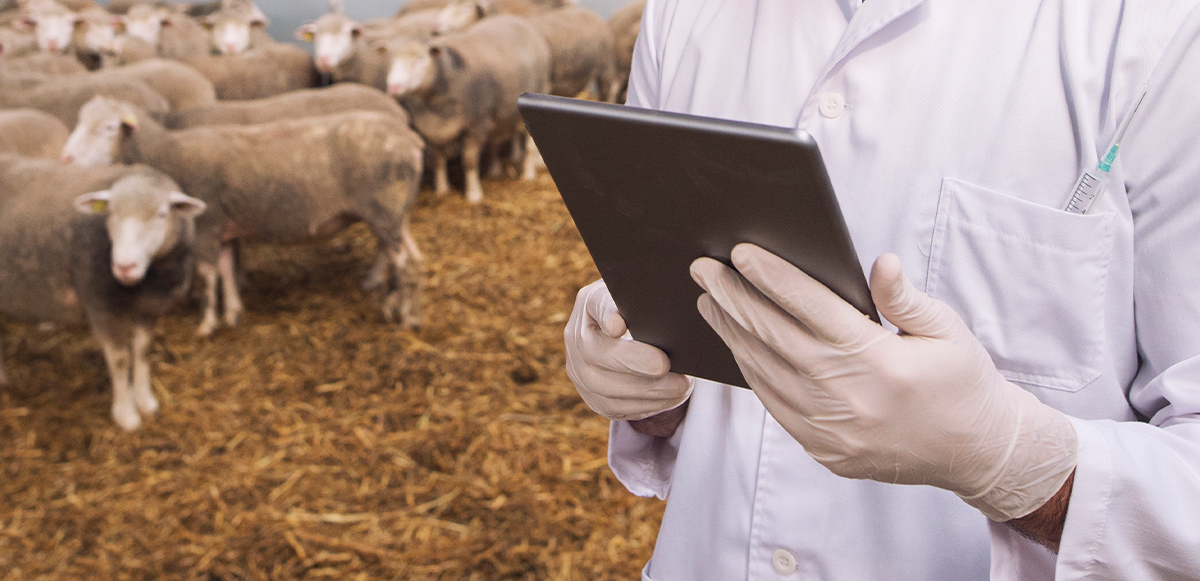
Coxiella burnetii is an extremely infectious and highly contagious bacterium. Due to its small size and resilience, it can travel several kilometers with the wind, spreading the disease from an infected farm to a healthy one.
Farms can also become infected through the introduction of animals already carrying C. burnetii. These infected animals shed the bacteria in vaginal secretions, birthing materials, and feces, contaminating the environment. The bacteria then spread via airborne transmission, infecting healthy animals on the farm.
How is Q Fever transmitted to humans?
Q Fever is primarily transmitted through inhalation of contaminated aerosols. These aerosols originate from dust, genital secretions, placentas of infected ruminants, or their feces.
Oral transmission, such as through the consumption of raw milk, is considered negligible to non-existent.
When to suspect Q Fever in a herd?
The key symptoms of Q Fever in ruminants include reproductive disorders such as abortions, stillbirths, and infertility. A sudden, unexplained decline in reproductive performance—marked by increased cases of retained placenta, hard-to-treat metritis, and poor fertility — should prompt a Q Fever diagnostic investigation. In goats, acute Q Fever is a leading cause of abortion storms within the flock.
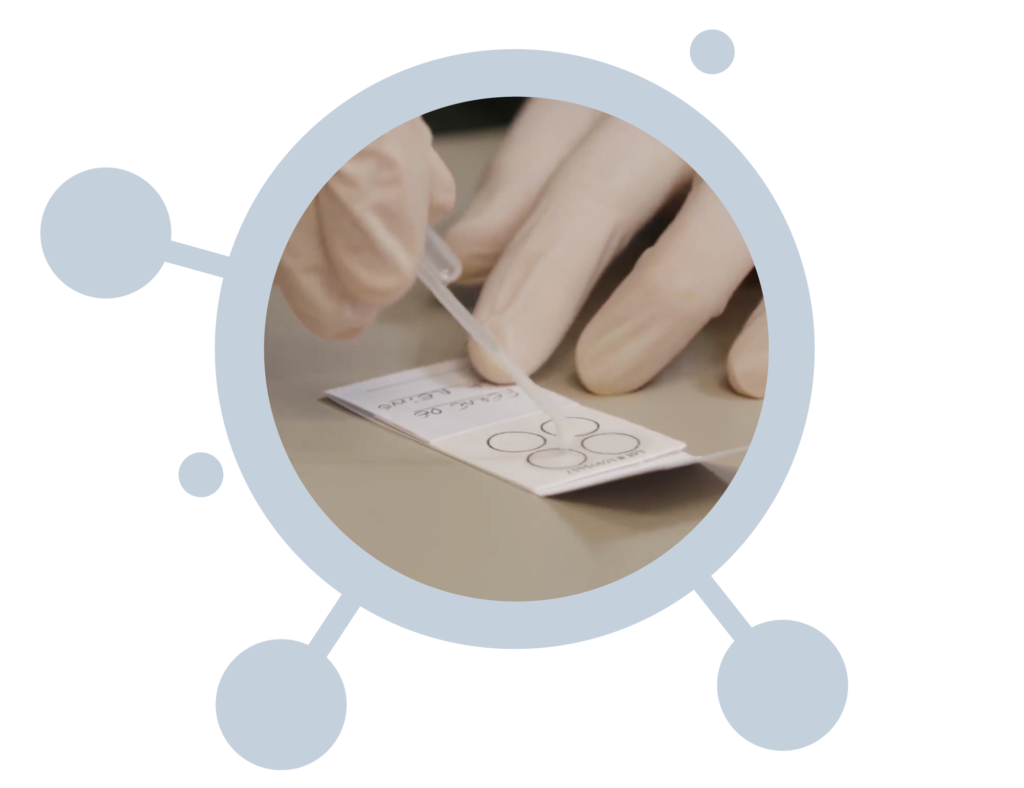
To identify the disease, regular herd health monitoring, systematic reporting of abortions and diagnostic investigation of abortions and reproductive underperformance are key steps.
How to protect your herd and animals from Q Fever?
Isolate animals during parturition periods.
Collect parturition and abortion materials immediately, place them in sealed bags or containers until the veterinarian’s visit, and dispose of them appropriately.
Vaccinate your herd as a preventive measure in agreement with your veterinarian.
When introducing new animals or merging herds, conduct testing and verify the health status of the seller’s herd (e.g., bulk tank milk PCR) to ensure compatibility with your herd's health status.
My farm is affected by Q Fever, what should I do?
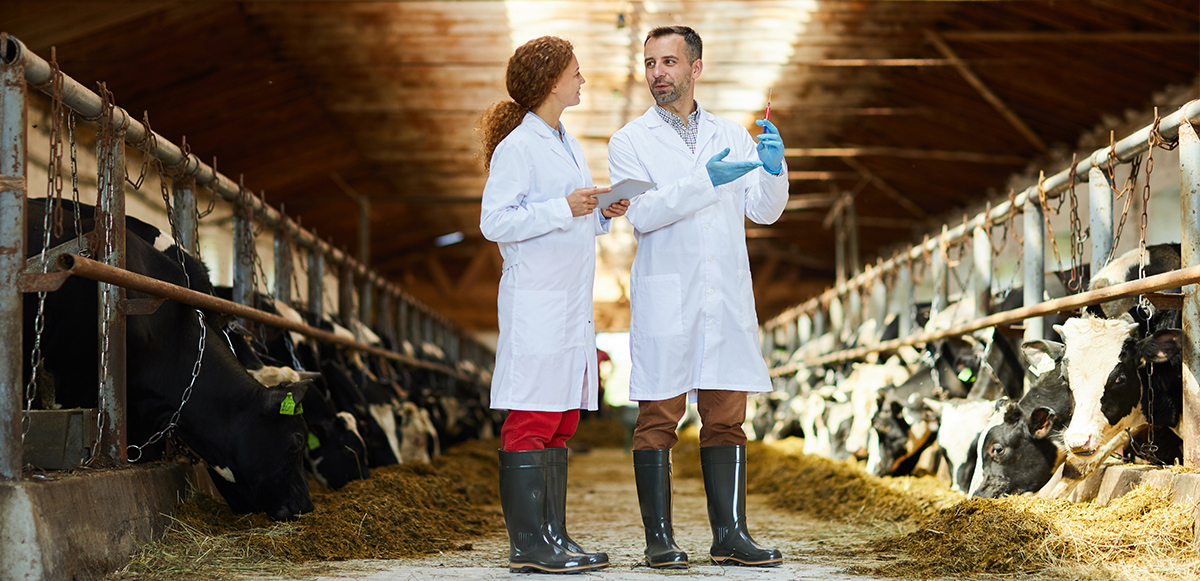
Vaccinate your animals to reduce abortions, improve fertility, and minimize bacterial shedding into the environment.
Properly manage manure and effluents: Store manure away from the wind, cover it if possible, handle it during calm and humid weather, compost thoroughly, and immediately bury manure after spreading.
Strengthen biosecurity measures during parturition and abortion events: Isolate parturient females, clean and disinfect facilities and equipment, and wear protective gear (masks and gloves) when handling placentas and other materials.
How to protect yourself, your family, employees, and visitors on the farm?
Avoid visits during parturition periods. If this is not feasible (e.g., year-round parturition), isolate calving females in a designated area off-limits to visitors.
Wear protective clothing, boots, disposable gloves, and sleeve covers when handling animal tissues, especially abortion products.
Use respiratory protection, such as a well-fitted surgical mask, during activities that generate droplets or dust if there is a suspected risk.
Train and inform employees about Q Fever risks, including hygiene and preventive measures.
Vaccinate the herd as a preventive measure in consultation with your veterinarian.