


When to suspect Q FEVER (Coxiella burnetii infection) in cattle?
In cattle, the infection by Coxiella burnetii is supposed to be mostly asymptomatic, which can challenge diagnosis at herd level. In its clinical form (Q Fever), the infection mainly causes reproductive disorders. While abortion is the most frequently reported and probably the best-known sign, its clinical impact can extend beyond that [1].
In France, a study showed that around 30% of cattle herds contained animals that are seropositive for Q Fever [2]. In other European countries, for instance Hungary [3] or Italy [4], higher levels of seroprevalence have been evidenced.
When to suspect Q FEVER (Coxiella burnetii infection) in cattle?
In cattle, the infection by Coxiella burnetii is supposed to be mostly asymptomatic, which can challenge diagnosis at herd level. In its clinical form (Q Fever), the infection mainly causes reproductive disorders. While abortion is the most frequently reported and probably the best-known sign, its clinical impact can extend beyond that [1].
In France, a study showed that around 30% of cattle herds contained animals that are seropositive for Q Fever [2]. In other European countries, for instance Hungary [3] or Italy [4], higher levels of seroprevalence have been evidenced.

about the pathogen
Coxiella burnetii is an intracellular Gram-negative bacterium, characterized by a survival mechanism (pseudospore formation) which enables it to resist durably under environmental conditions such as desiccation for several months, disinfection such as 0.5% sodium hypochlorite or UV radiation[5]. It can survive several days in moist conditions (at least 7 days in water or milk at room temperature). It can withstand exposure to 60°C for 30 minutes, but can be inactivated by pasteurisation[6]. All mammal species are considered receptive to C. burnetii, although ruminant species are considered its main reservoir. People professionally exposed to cattle or small ruminants (veterinarians, farmers, slaughterhouse personnel) are at risk of infection.

PURPOSE OF THIS FACTSHEET
To present the clinical signs described in cattle in the event of an infection with Coxiella burnetii.
COORDINATORS OF THIS FACTSHEET

DVM, PhD, Dip ECBHM, Dip ECAWBM, professor of bovine medicine, university lecturer and researcher in epidemiology at Oniris (Nantes, France), CO-CHAIR OF THE EU Q FEVER COMMITTEE.
“The first step in the control of this zoonosis is to recognise its warning signs: abortion, premature calving, weak calf, retained placenta, endometritis and infertility. Notifying abortions and investigating Q Fever should be a reflex.”

Sławomir Koźmiński
DVM, cattle practitioner specialized in theriogenology, Poland.
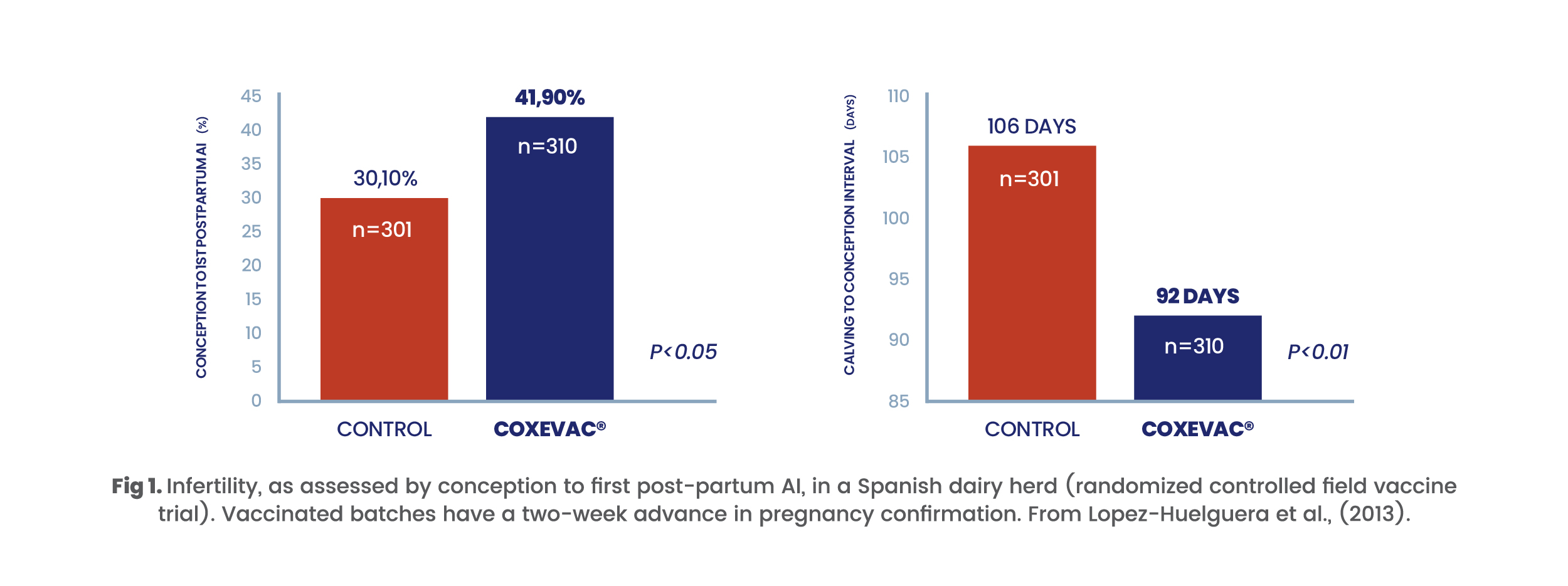
“In my 20+ years of experience as a cattle practitioner, Q Fever is mostly underdiagnosed at farm level. In the 50,000 cattle under my care, seroprevalence is around 80%, which justifies to advise for monitoring and control measures. I observed that Q Fever, apart from its well-known effects on reproduction, also prolongs the duration of uterine involution, delaying the calving interval and reducing the pregnancy rate below its cost-effective level (25%). It is worth mentioning that 1% pregnancy rate has a cost of about 15-30 euros/cow.”

MA, VetMB, DCHP, FRCVS, British large animal practitioner FELLOW AND ROYAL COLLEGE OF VETERINARY SURGEONS RECOGNISED SPECIALIST IN CATTLE HEALTH. Chair & Partner IN Bishopton VETERINARY GROUP, CHIEF EXECUTIVE OF RAFT SOLUTIONS LTD, Professor of Sustainable Livestock Health & Welfare at Harper Keele Vet School.
“Reproductive performance is critical to the sustainable production of dairy cattle. However, it is so very multifactorial in nature that root causes may remain undiagnosed-hidden by other pathogens and assumed factors. As we gain control of metabolic and other infectious causes of infertility, Q Fever is emerging as the cause of a range of reproductive challenges, from pregnancy loss to endometritis and stillbirth.”
MAIN WARNING SIGNS OF Q FEVER
Late pregnancy abortions: a major clinical sign of infection
The pathogenicity of C. burnetii in cattle has been summarised by the ASPW complex: Abortion/Stillbirth/Perinatal mortality/Weak calves. However, this acronym fails to capture the full extent of the bacterium’s pathogenic spectrum. For instance, a recent systematic review of the potential impact of Q Fever in cattle shows there is a good level of evidence for the impact of C. burnetii on abortion/stillbirth/perinatal morality/weak calves, non-expulsion of placenta and infertility/sub-fertility, and to a lesser extent for uterine infections [7].
In cattle, clinical signs increasingly associated with C. burnetii infection include:


DID YOU KNOW? The placenta of infected ruminants may release up to one billion C. burnetii per gram, hence contributing to the farm’s environmental contamination (EFSA, 2024). C. burnetii is also frequently detected in the placenta of freshly calved cows with no reproductive failure [14]. In Switzerland, a recent study found 11% of PCR-positive placentas among healthy fresh cows, most probably representing subclinical infections [15].
These reproductive signs should be an indication to practitioners to investigate the potential presence of C. burnetii in a herd, along with further health events such as abortion, described below.
Abortion, stillbirth, premature and or weak calf births may also occur [16], as well as retained fetal membranes [8].
a. Abortions due to C. burnetii can occur at any stage of gestation and not just in the last trimester. In 2020, C. burnetii was associated with 10% of all abortion series investigated under the French Observatory and monitoring scheme of the causes of abortion in ruminants (OSCAR). As such, it is the second most common infectious cause found, following neosporosis (17.8%). Similarly, a one-year observational study in southern Belgium found C. burnetii’s DNA in 8.5% of the tissues of the examined aborted fetus [17]. In northern Italy, a significantly higher C. burnetii seroprevalence was observed among aborted dairy cows than among healthy cows (p < 0.001) [12]. As a general rule, it can be considered that where Q Fever has been investigated, C. burnetii is among the three most frequent abortifacient pathogens in Europe [6].
c. On infected farms, cows that are seropositive for C. burnetii have an increased risk (x 2.5) of retained placenta compared to seronegative cows. In general, regardless of the causative pathogen, cows that have aborted have an increased risk (x 2.4) of a retained placenta. Premature birth is also a risk factor of retained placenta. The latter leads to an increased risk of endometritis and metritis in the herd, contributing to the indirect impact of Q Fever on farm’s reproductive performance.
Pneumonia-like respiratory disorders and mastitis are generally not among the signs that should primarily lead to suspicion of Q Fever.
DID YOU KNOW? Inter-country variations exist. In 2020, 40% of French cattle veterinarians mentioned that they suspected Q Fever on farms at least once a year in their practice [18]. In 2024, 80% of the French cattle veterinarians mentioned they had encountered farms affected by Q Fever, with frequent cases reported. In the UK, Poland, and Belgium, less than 50% of the cattle vets surveyed had such experience, and they estimated encountering a case less than every two years [19].
AWARENESS IN PRACTICE
Q Fever clinical signs are non-specific and common to other infectious diseases, such as BVD, leptospirosis and IBR, in addition to nutritional deficiencies or semen quality effects.
In case of abortions or premature calving, Q Fever should always be suspected. Thresholds are proposed for triggering an investigation in case of a series of abortions, whether the farm is already implementing vaccination against Q Fever or not:
- Closely spaced abortions: 2 or more abortions in 30 days or less;
- Spaced abortions: 3 or more abortions in 9 months, regardless of the herd size.
Beyond just abortions, a drop in fertility (dairy cows needing 3 or more AI doses, drop in first AI conception rate and increased proportion of returns to estrus cows), Q Fever should be suspected by the practitioner.
In the event of endometritis, in particular when unresponsive to treatment, Q Fever should be included in the differential diagnosis.
Q Fever should be suspected in herds with a high prevalence of retained placenta, especially in herds where the practitioner is not informed on the incidence of premature births.
Q FEVER AND IMMUNE FUNCTION
C. burnetii infects and persists in macrophages and monocytes, including lung alveolar macrophages. As such, it regulates macrophages’ inflammation signaling and favors its intracellular persistence. From this niche, it can be transferred to other local cells or to more distant tissues (the endocardium for instance) and install chronic infection [20]. It has an immunomodulatory effect, mostly on the innate immune response through a mechanism yet to be described, although it is being extensively studied since the last decade [21]. Infection also modulates the specific cell-mediated immunity (Th1) [22], to the point that the impairment of Th1, for instance during pregnancy, causes reactivation of persistent C. burnetii infection (evidenced in rodent models), allowing it to reach placental cells [23]. In humans, C. burnetii has been found to alter the immune response of infected individuals. However, no such studies have been conducted on domestic ruminants, where such an immunomodulatory effect can only be supposed, since there is evidence that some host responses to infection differ between humans and cattle, for instance [24].
DID YOU KNOW? According to the literature, only exposure to high concentrations of formalin (i.e.,≥5%) for a prolonged time (at least 24 to 48 h) may allow killing of C. burnetii under controlled conditions [5].

REFERENCES
- Statham JME. 2023. Q Fever: a disease with underappreciated significance? Livestock, 28(3), 2-7. doi: 10.12968/live.2023.28.3.106
- Gache K., Rousset E., Perrin J.B., De Cremoux R., Hosteing S., Joudain E. Guatteo R., Nicollet P., Touratier A., Calavas D., Sala C., 2017. Estimation of the frequency of Q Fever in sheep, goat, and cattle herds in France: results of a 3-year study of seroprevalence of Q Fever and excretion levels of Coxiella burnetii in abortive episodes. Epidemiol. Infect. 145, 3131-3142.
- Dobos A, Balla E. Industrial Dairy Cattle Farms in Hungary Source of Coxiella burnetii Infection in Humans. Vector Borne Zoonotic Dis. 2021 Jul;21(7):498-501. doi: 10.1089/vbz.2020.2749.
- Fanelli A, Trotta A, Bono F, Corrente M, Buonavoglia D. Seroprevalence of Coxiella burnetii in dairy cattle and buffalo from Southern Italy. Vet Ital. 2020 Dec 1;56(3):193-197. doi: 10.12834/VetIt.2321.13237.1.
- Maurin M, Raoult D. Q Fever. Clin Microbiol Rev. 1999 Oct;12(4):518-53.
- EFSA, 2024. Story map on Q Fever, available online: https://storymaps.arcgis.com/stories/7f9d9bc1eeee4b838eaaa0d2576ee0c0
- Gisbert P, Garcia-Ispierto I, Quintela LA, Guatteo R. Coxiella burnetii and Reproductive Disorders in Cattle: A Systematic Review. Animals (Basel). 2024 Apr 27;14(9):1313. doi: 10.3390/ani14091313
- López-Helguera I, López-Gatius F, Tutusaus J, Garcia-Ispierto I. Reproductive performance of high producing lactating cows in Coxiella-infected herds following vaccination with phase-I Coxiella burnetii vaccine during advanced pregnancy. Vaccine. 2013 Jun 26;31(30):3046-50. doi: 10.1016/j.vaccine.2013.04.067.
- Valla, G.; Bizzarri, D.; Ferrari, G.; Bussacchini, M. Prevalence of Coxiella burnetii in bulk milk in herds of dairy cows and possible correlation with Italian reproductive problems. Large Anim. Rev. 2014, 20, 51–56.
- Dobos A, Gábor G, Wehmann E, Dénes B, Póth-Szebenyi B, Kovács ÁB, Gyuranecz M. Serological screening for Coxiella burnetii in the context of early pregnancy loss in dairy cows. Acta Vet Hung. 2020 Sep 30;68(3):305-309. doi: 10.1556/004.2020.00035.
- Dobos, A.; Gyuranecz, M.; Albert, M. Incidence rate of Coxiella burnetii in the retention of foetal membranes in dairy herds. Magy. Allatorvosok Lapja, 2020, 142, 593–597.
- Cabassi CS, Taddei S, Donofrio G, Ghidini F, Piancastelli C, Flammini CF, Cavirani S. Association between Coxiella burnetii seropositivity and abortion in dairy cattle of Northern Italy. New Microbiol. 2006 Jul;29(3):211-4.
- Vicari N. et al. Occurrence of Coxiella burnetii in bulk tank milk from northwestern Italy. 2013. Vet. Rec., 172, 26, 687. doi: 10.1136/vr.101423.
- Baumann T, Studer E, Hirsbrunner G. Geburten an der Wiederkäuerklinik mit Fokus auf die Ausscheidung von Coxiella burnetii [Examinations of cattle births with a special focus on Coxiella burnetii]. Schweiz Arch Tierheilkd. 2023 Feb;165(2):127-131. German. doi: 10.17236/sat00386.
- Botta C, Pellegrini G, Hässig M, Pesch T, Prähauser B, Wunderlin S, Guscetti F, Schneeberger M, Schmitt S, Basso W, Hilbe M, Schuler G, Borel N. Bovine Fetal Placenta During Pregnancy and the Postpartum Period. Vet Pathol. 2019 Mar;56(2):248-258. doi: 10.1177/0300985818806453.
- Cabell E. 2007. Bovine abortion: aetiology and investigations. In Practice 29, 455-463.
- Saegerman C, Grégoire F, Delooz L. Diagnosis of Coxiella burnetii Cattle Abortion: A One-Year Observational Study. Pathogens. 2022 Apr 1;11(4):429. doi: 10.3390/pathogens11040429.
- Viavoice study 2020, Perceptions of farmers and animal and human health professionals on Q Fever.
- Viavoice study 2024, Q Fever Awareness & Prevention- Vets’ perspective from 8 European countries.
- Dragan AL, Voth DE. Coxiella burnetii: international pathogen of mystery. Microbes Infect. 2020 Apr;22(3):100-110. doi: 10.1016/j.micinf.2019.09.001.
- Sireci G, Badami GD, Di Liberto D, Blanda V, Grippi F, Di Paola L, Guercio A, de la Fuente J, Torina A. Recent Advances on the Innate Immune Response to Coxiella burnetii. Front Cell Infect Microbiol. 2021 Nov 2;11:754455. doi: 10.3389/fcimb.2021.754455.
- Amara AB, Bechah Y, Mege JL. Immune response and Coxiella burnetii invasion. Adv Exp Med Biol. 2012;984:287-98. doi: 10.1007/978-94-007-4315-1_15.
- Shannon JG, Heinzen RA. Adaptive immunity to the obligate intracellular pathogen Coxiella burnetii. Immunol Res. 2009;43(1-3):138-48. doi: 10.1007/s12026-008-8059-4.
- Bauer BU, Knittler MR, Andrack J, Berens C, Campe A, Christiansen B, Fasemore AM, Fischer SF, Ganter M, Körner S, Makert GR, Matthiesen S, Mertens-Scholz K, Rinkel S, Runge M, Schulze-Luehrmann J, Ulbert S, Winter F, Frangoulidis D, Lührmann A. Interdisciplinary studies on Coxiella burnetii: From molecular to cellular, to host, to one health research. Int J Med Microbiol. 2023 Nov;313(6):151590. doi: 10.1016/j.ijmm.2023.151590.